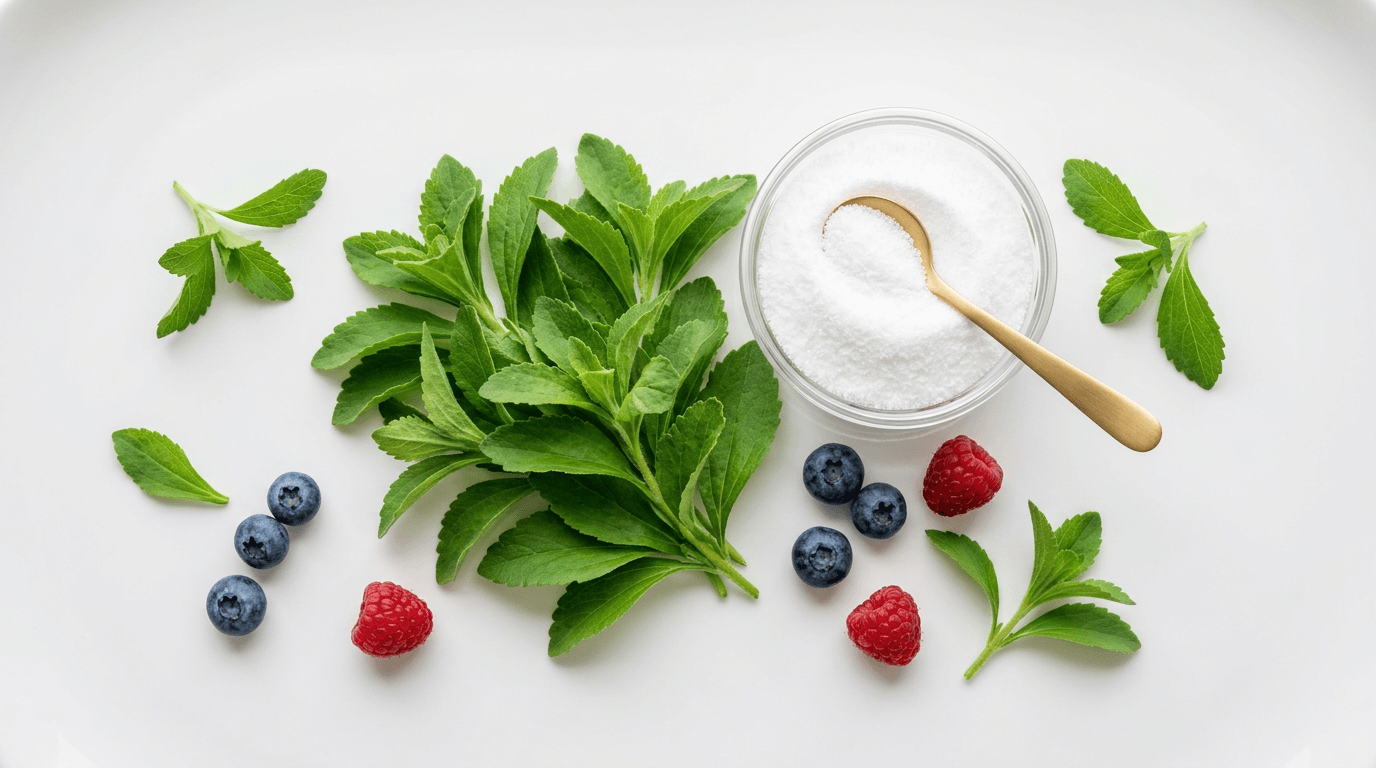

Food and Nutrition: ViaLeaf™ Reb M
Lower the replacement cost of sugar and achieve breakthrough innovation — without the bitterness. Arzeda-designed sweeteners, commercialized with Mane.

The Full-Stack Advantage

Our capabilities are one of a kind: We have over a decade of hands-on design experience, a proprietary dataset, custom AI models we built ourselves, and an agentic layer that ties it all together. This is what we leverage to create BioSolutions with huge impact.

Once design is complete, we transform the selected protein into a product. We validate performance in application-relevant conditions at larger scales, develop final formulations, complete regulatory milestones, and finalize the production process so that a product ships ready to perform.

Now that Productization is handled, our experienced and dedicated manufacturing team engages to scale the product before delivering to our customers.
Our Products
Whether it's sweeteners, home care, advanced materials, biologics, and more — Arzeda is ushering in a new wave of improved products to the world.
Lower the replacement cost of sugar and achieve breakthrough innovation — without the bitterness. Arzeda-designed sweeteners, commercialized with Mane.


Designer-enzyme product line for home and personal care formulations. Custom-designed by Arzeda; brought to consumers at scale by Unilever across its global brands.
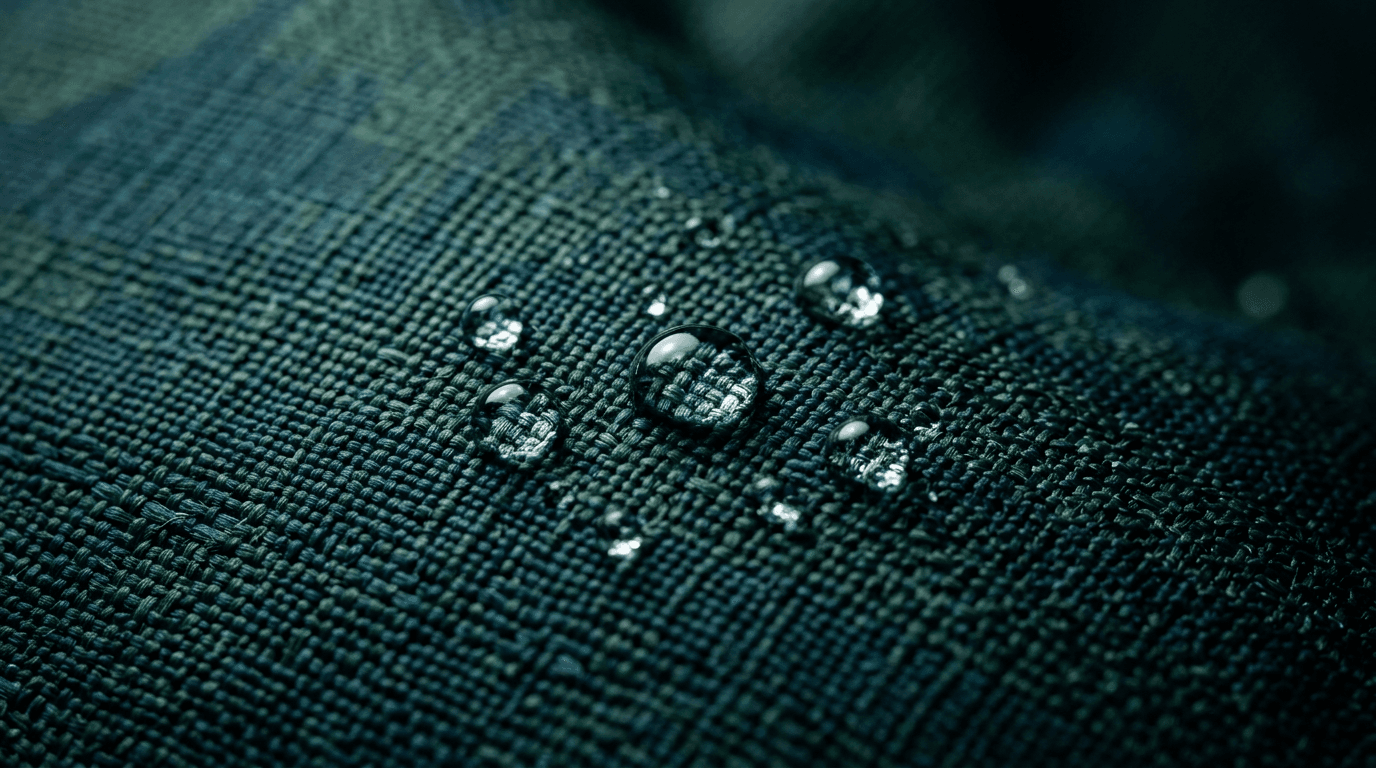

Our Intelligent Protein Design Technology™ is unlocking new categories of durability, functionality, and feel for advanced materials, while reducing environmental footprint. A co-development collaboration with W.L. Gore & Associates.
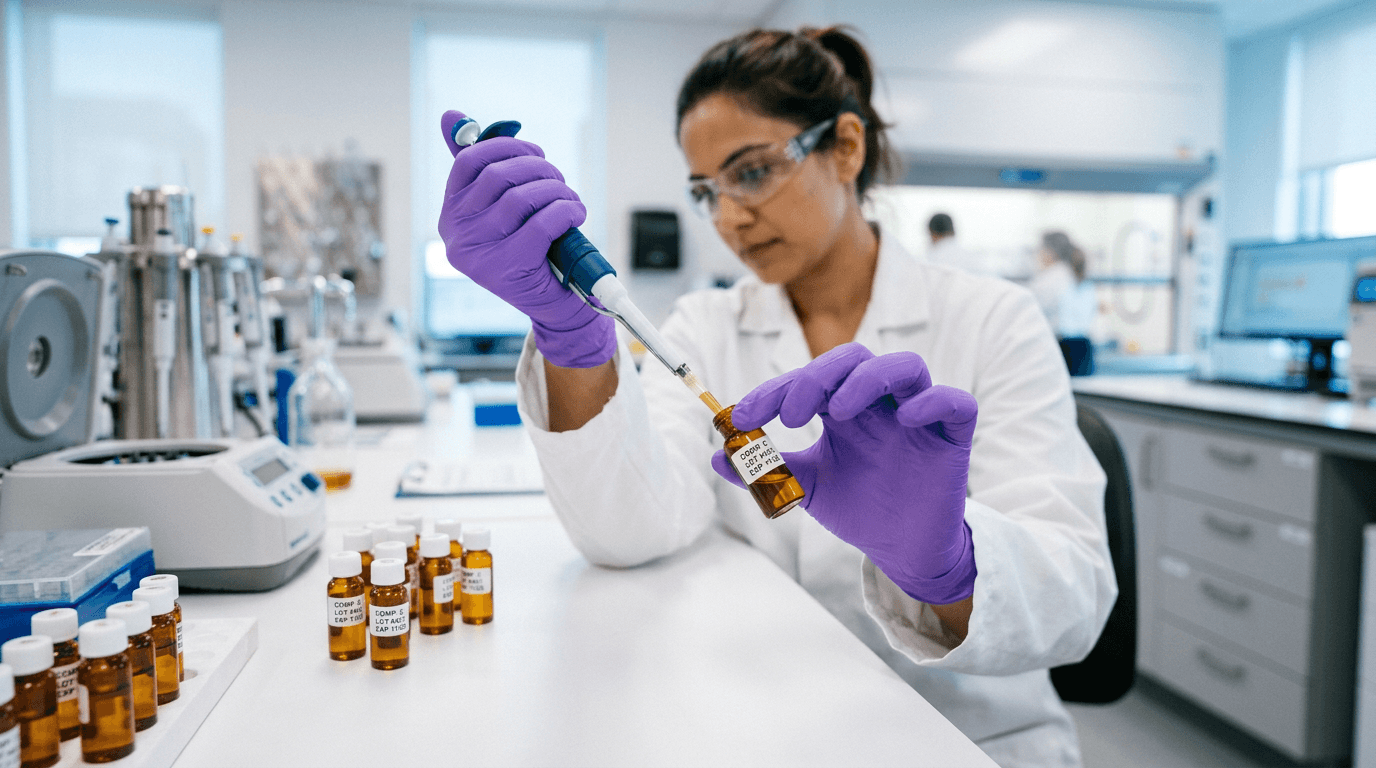

Computational protein design and AI accelerate biologics development — from antibodies to enzyme replacement therapies. Arzeda partners with industry leaders like Takeda on protein-therapeutic optimization programs.
Trusted by Global Brands

Resources
Sugar reduction remains one of food and beverage’s most stubborn formulation problems. Brands have faced mounting pressure to cut sugar while preserving taste, label appeal, and cost discipline, yet many stevia-based systems have struggled with bitterness and performance. That is the backdrop for Arzeda’s new partnership with MANE, announced on March 5, 2026, which aims to commercialize ViaLeaf™ Reb M by combining Arzeda’s enzyme design platform with one of the flavor industry’s largest commercial and formulation networks.
Read More →Unilever and Arzeda have developed new enzymes with increased stability, performance and sustainability benefits for cleaning and laundry products in just 18 months – five times faster than previous enzyme development. The new enzymes – which are a key stain-fighting ingredient in household products – could halve the number of ingredients currently needed to deliver effective cleaning.
Read More →Arzeda, a leader in AI-driven protein design, and KENT Specialty Milling, a division of KENT WORLDWIDE™, today announced a product development agreement to advance innovative, customer-focused solutions. The collaboration will leverage Arzeda's Intelligent Protein Design Technology™ and KENT's application and market expertise to explore new approaches that improve performance and efficiency across relevant end markets.
Read More →Continue exploring